Lehigh Valley winters can switch from a dry commute to slush on I-78 or a slick hill on Route 100 within an hour. A small kit in the trunk turns a stressful wait into a manageable one. Here is what we keep in our own cars.
The core kit
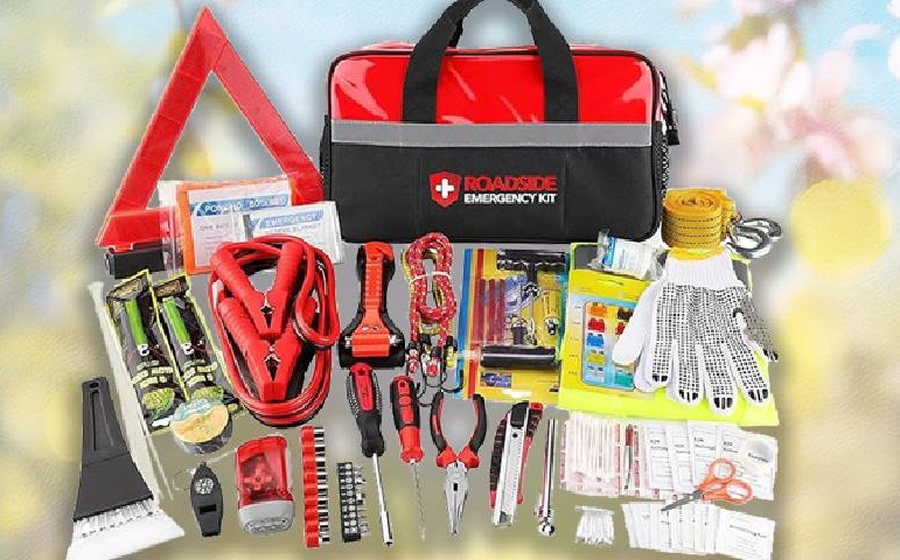
- Jumper cables, a tow strap and a warning triangle. Our Emergency Roadside Kit packs these with first-aid supplies in one bag that fits under a seat.
- A tire inflator. Cold air drops tire pressure, which is why the warning light often comes on during the first cold snap. A cordless pump like the Airmoto Portable Tire Inflator stops at the pressure you set.
- Warm layers. A hat, gloves, a blanket and dry socks for everyone who usually rides with you.
- Light and power. A flashlight with spare batteries and a phone charging cable.
- Traction and clearing. An ice scraper, a snow brush, a small shovel and a bag of sand or cat litter.
- Water and snacks. Enough for a long wait in traffic.
Two Pennsylvania rules worth knowing
Clear the snow and ice. Pennsylvania law requires drivers to make reasonable efforts to remove snow and ice from their vehicle, including the roof, before driving. Flying ice can seriously injure other drivers and can bring fines.
Wipers on, headlights on. In Pennsylvania, if your wipers are running because of the weather, your headlights must be on too.
Before every winter
- Check tire tread and pressure, and the spare.
- Test the battery, especially if it is more than three years old.
- Top up washer fluid with a winter blend.
- Replace streaky wiper blades.
- Keep the gas tank at least half full in case you get stuck.
If you get stuck
Stay with your vehicle, turn on the hazard lights and set out the warning triangle if it is safe. Run the engine only in short spells to stay warm, and keep the tailpipe clear of snow so exhaust cannot build up inside the car. Call 911 in an emergency. PennDOT posts road conditions on 511PA.
Tip: build one kit for each car in the family. Three or more physical items in one order take an extra 5% off with our bundle savings.